Zepbound®
tirzepatide
A once-weekly injectable medication that activates both GIP and GLP-1 receptors, which leads to greater weight loss. Indicated for the treatment of overweight and obesity.
Test first, discuss treatment, then prescribe — responsible weight-loss treatment
Others start with a five-minute online questionnaire. We start with a clearer picture of your health.
Complete an at-home baseline GLP lab panel, then meet with a licensed physician to review your results, medications, health history, and treatment goals before exploring which GLP treatment option may be right for you.
How it works
Quick and simple
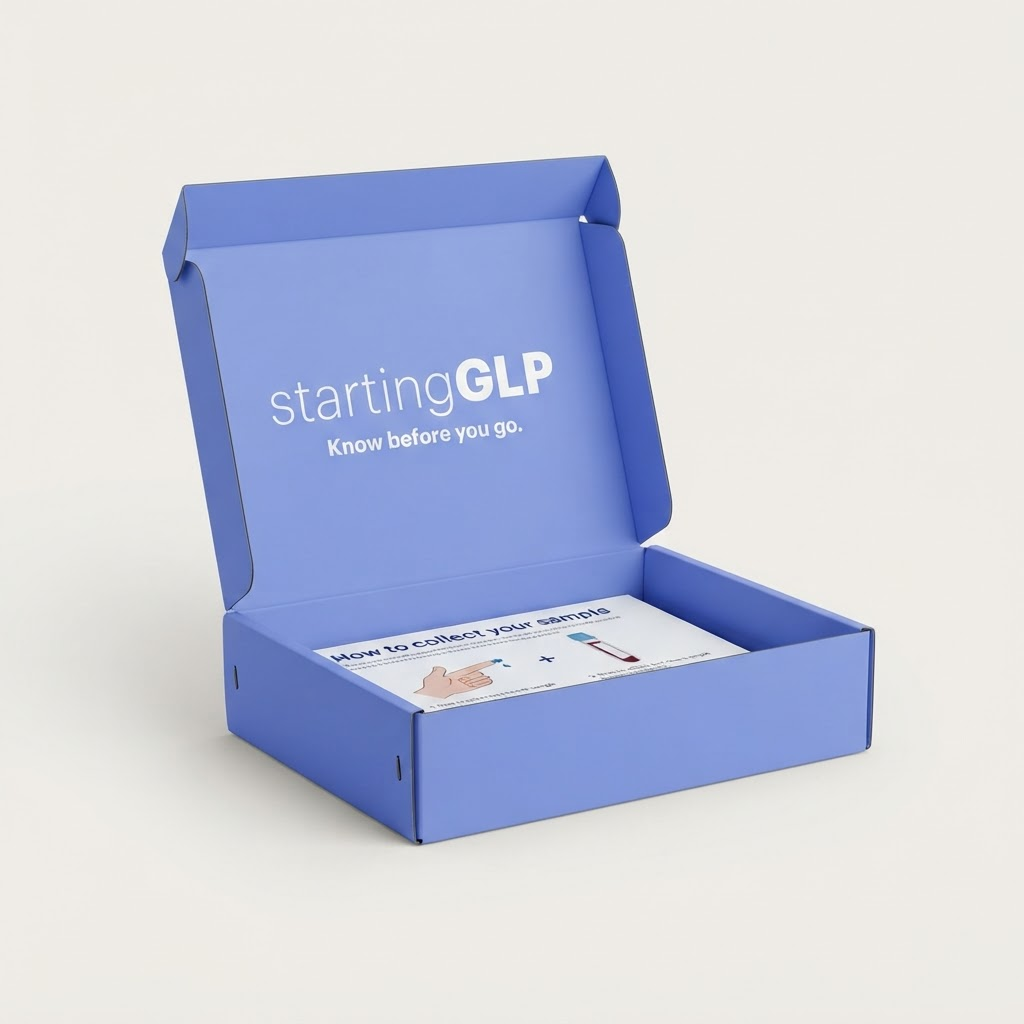
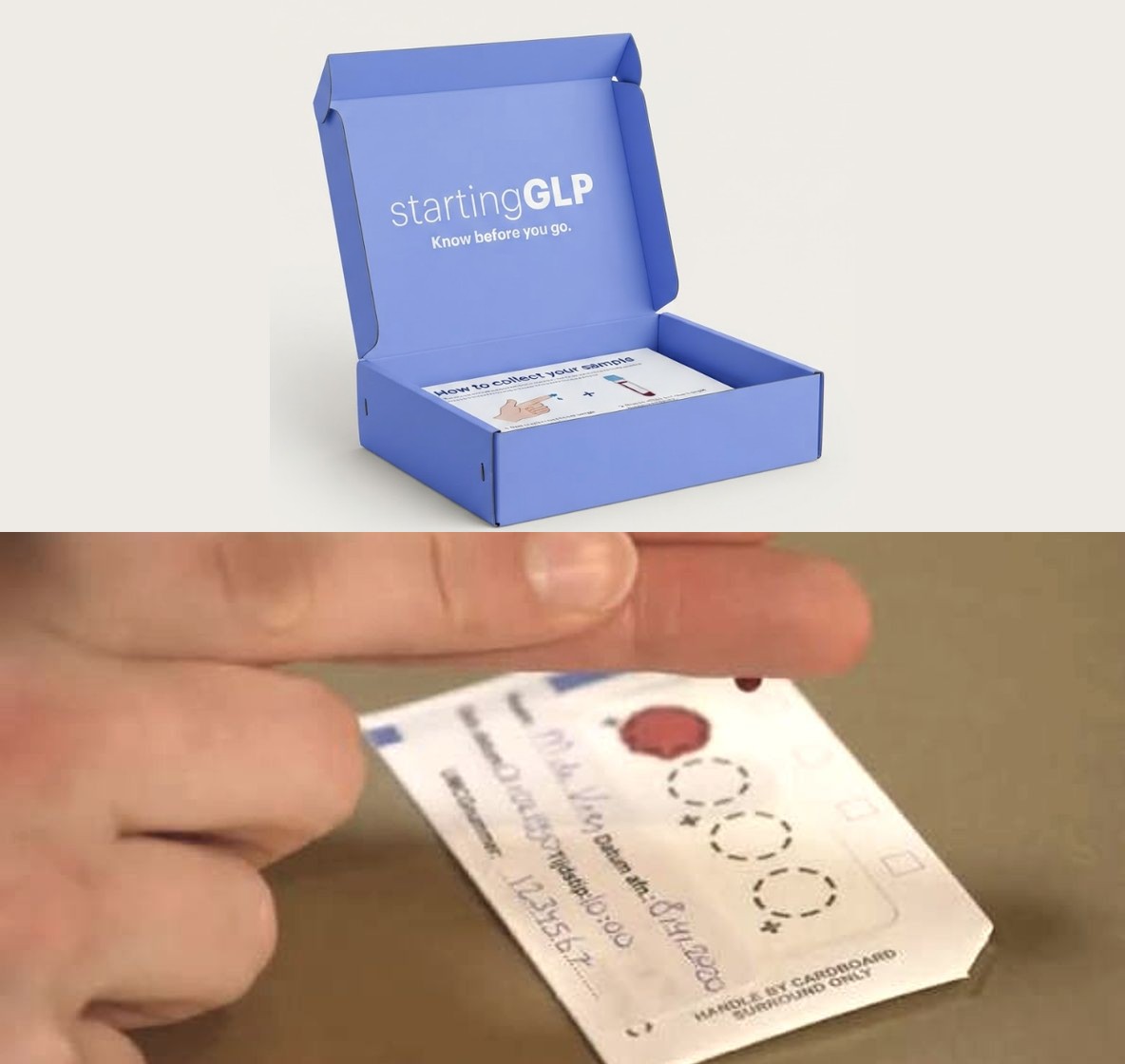
Collect a small sample with a quick finger prick from the comfort of home. The process takes only a few minutes, with no clinic visit or waiting room.
Free shipping
Mail it back with the prepaid label. Your sample is processed by a CLIA-certified, CAP-accredited lab.
Within 72 hours
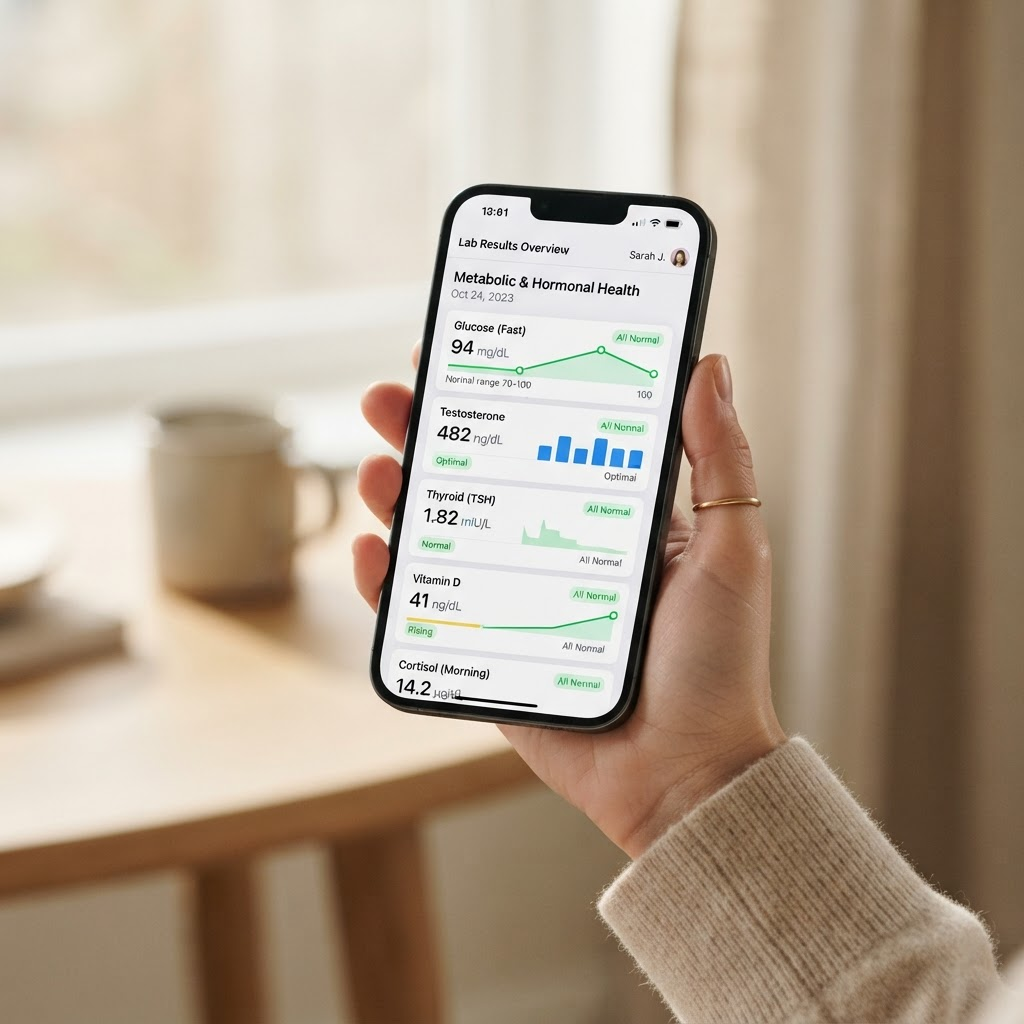
Get clear, easy-to-read results that establish your baseline across metabolic, hormone, and organ health markers.
Step 4
Your $99 lab test includes a telehealth consultation with a licensed physician to review your laboratory results, health history, and questions.
Step 5
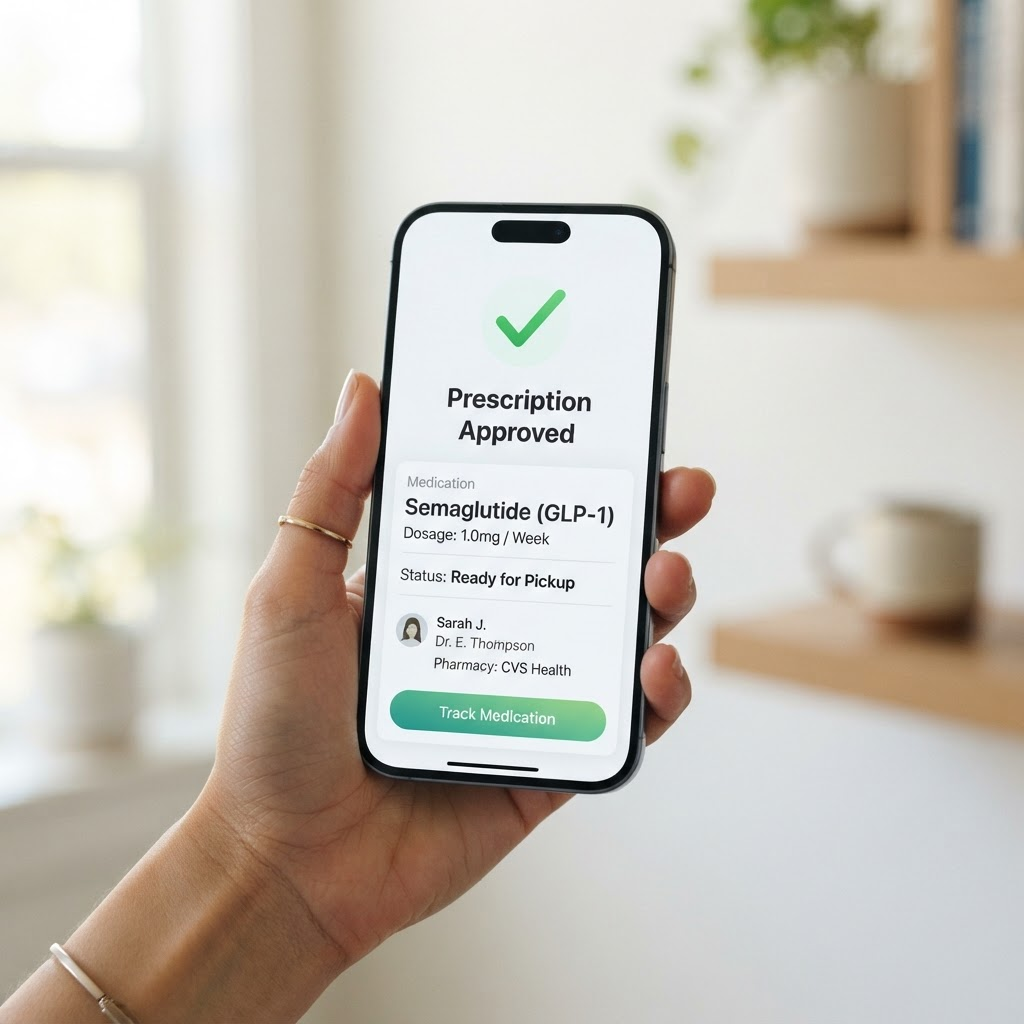
If your licensed clinician determines that treatment is medically appropriate, they may prescribe a GLP-1 or another weight-loss medication based on your health history, laboratory results, goals, and treatment needs.
Step 6
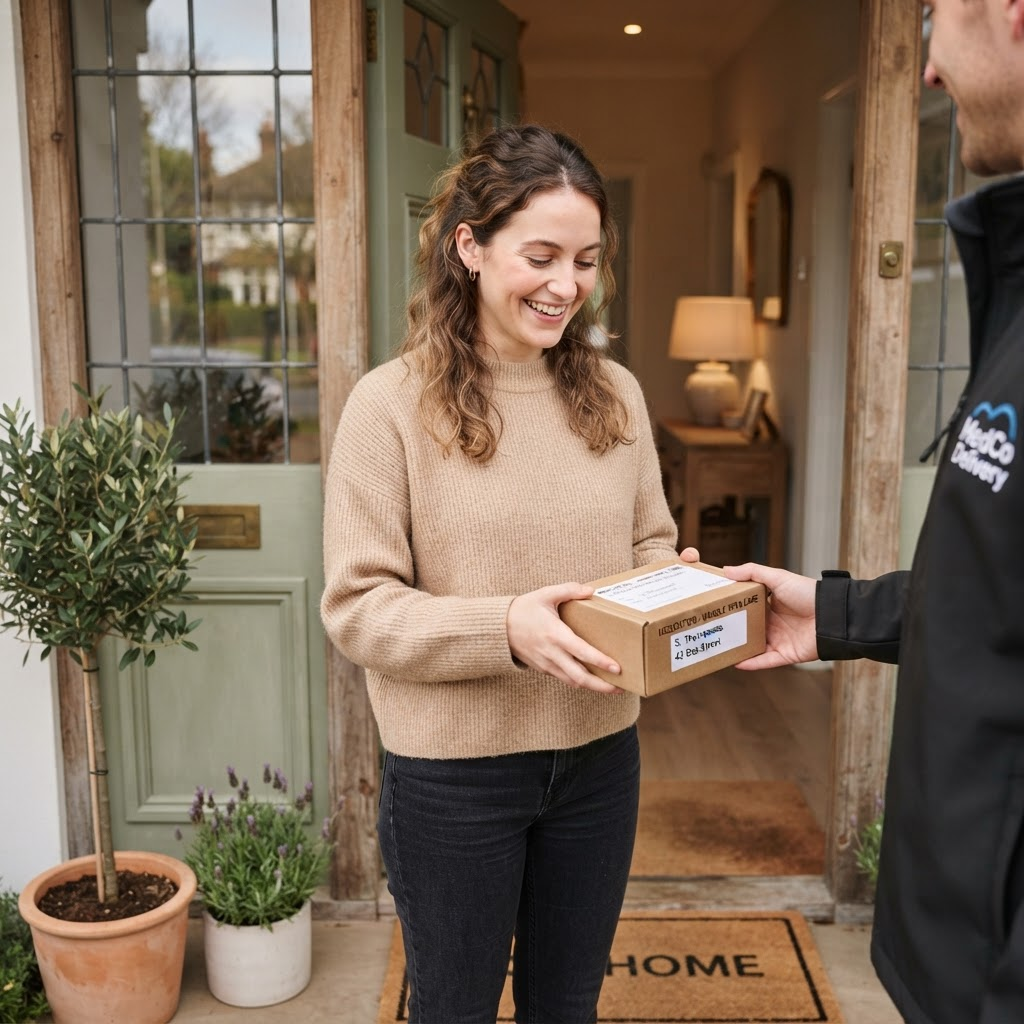
If prescribed, your medication can be filled through an available pharmacy and shipped directly to your door for added convenience.
Step 7
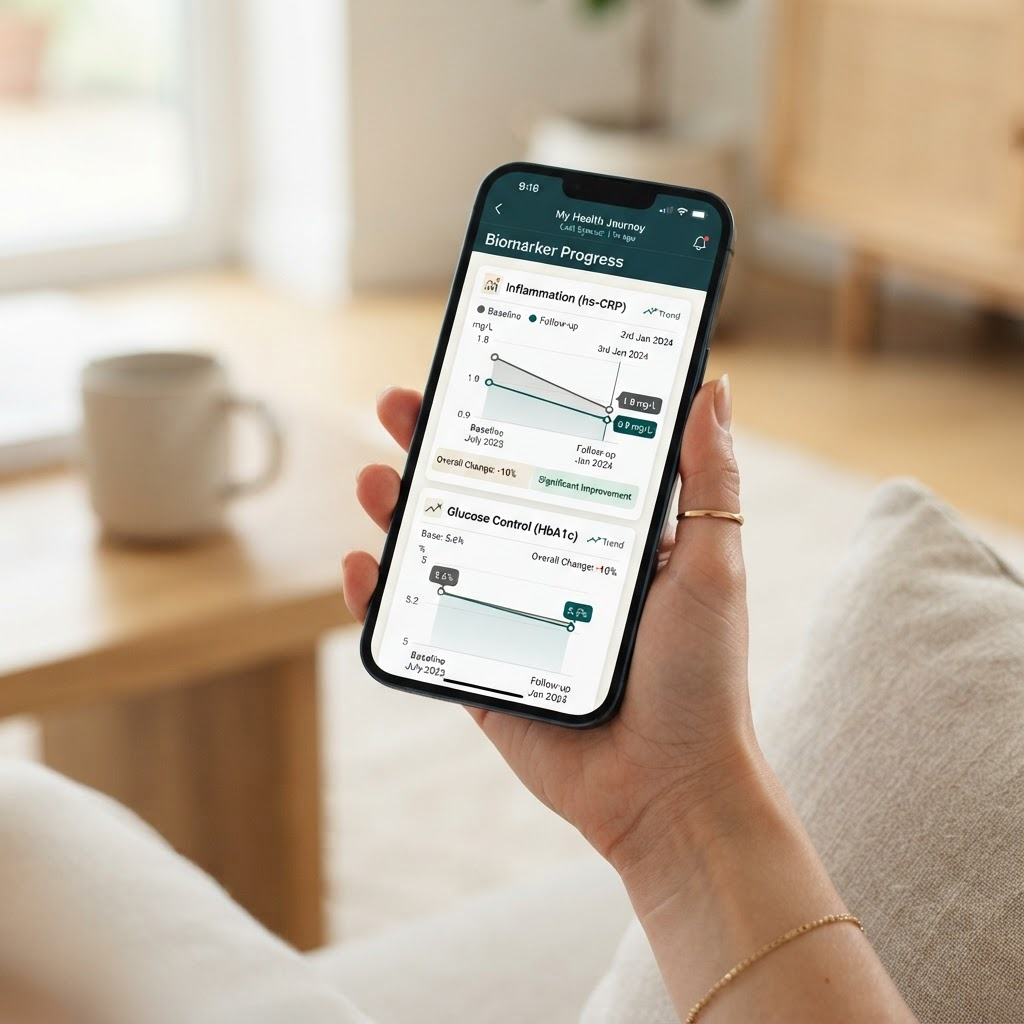
Follow-up lab testing at approximately 3, 6, and 12 months helps you compare key health markers with your original baseline and see how your body is changing throughout treatment.


What we test
A comprehensive baseline panel covering metabolic, hormonal, nutritional, kidney, liver, and other health markers that may provide useful context before or during your GLP treatment.
Get started
One flat price. Your complete GLP-readiness lab panel, physician consultation, and a guided review of GLP medication options if clinically appropriate.
Why lab first
Everyone is talking about the potential side effects of GLP-1 medications and black-box warnings. But starting treatment should involve more than completing an online form and receiving a prescription.
That is why we flipped the order: understand your health, establish your baseline, and then discuss the next step with a licensed clinician.
Not every weight-management medication is appropriate for every person. Your medical history, current medications, laboratory results, treatment goals, side-effect concerns, insurance coverage, and previous treatment experience may all influence the approach your clinician recommends.
GLP medications aren't right for everyone. Review key metabolic, kidney, liver, thyroid, nutritional, and blood-health markers that may deserve attention before or during treatment.
Give yourself and your clinician a clearer picture of where your health stood before the first dose—not just after symptoms or changes appear.
Combine your laboratory results with your health history, goals, and clinician's judgment to explore the treatment approach that may be appropriate for you.
Laboratory testing cannot identify every contraindication, predict every side effect, or determine by itself which medication is right for you.
Learn why your baseline matters
Hear licensed physicians explain how laboratory testing may provide useful information before and during GLP-1 treatment.
The physicians and video creators featured here are independent third parties and are not affiliated with, employed by, or endorsing startingGLP unless expressly stated. Their views are their own. The videos are provided for general educational purposes and do not establish that any particular test is required or appropriate for every patient.
The medications
If treatment is medically appropriate, your physician may discuss a range of GLP-1 and related weight-management medications. The recommendation is based on your laboratory results, medical history, current medications, treatment goals, coverage, and individual clinical needs.
tirzepatide
A once-weekly injectable medication that activates both GIP and GLP-1 receptors, which leads to greater weight loss. Indicated for the treatment of overweight and obesity.
semaglutide
A once-weekly injectable or once-daily pill GLP-1 indicated for the treatment of overweight and obesity.
orforglipron
A once-daily oral GLP-1 medication approved for chronic weight management in adults with obesity or overweight with weight-related conditions.
liraglutide
A daily injectable GLP-1 indicated for the treatment of overweight and obesity.
tirzepatide
A once-weekly injectable that activates both GIP and GLP-1 receptors for greater blood sugar control and weight loss. Indicated for Type 2 diabetes and effective for weight loss.
semaglutide
A once-weekly injectable or once-a-day GLP-1 pill indicated for the treatment of Type 2 diabetes, and safe and effective for weight loss.
dulaglutide
A once-weekly injectable GLP-1 medication indicated for the treatment of Type 2 diabetes, and safe and effective for weight loss.
semaglutide
A once-a-day pill indicated for Type 2 diabetes, and safe and effective for weight loss.
Prescription products are only prescribed when medically appropriate following your lab panel and a consultation with a licensed clinician. startingGLP does not guarantee any specific medication. Brand names are trademarks of their respective owners.
Clinical guidance
Laboratory testing is recommended before starting a GLP-1. recognize that baseline testing can provide valuable information based on your health history, medications, risk factors, and treatment goals.
Baseline labs are already part of responsible care for most medications we take. Why not before a GLP-1?
Commonly considered markers
A1c and glucose to understand blood-sugar health before treatment and measure changes over time.
Creatinine, eGFR, and BUN to evaluate kidney function and provide context if dehydration, vomiting, or diarrhea occur.
Enzymes to identify existing liver-health concerns and track changes during treatment.
To measure metabolic and cardiovascular changes that may occur with weight loss.
To help evaluate hydration status and changes related to reduced intake or gastrointestinal side effects.
Markers to identify hypothyroidism and thyroid conditions that may affect weight, energy, symptoms, or treatment planning.
To uncover selected nutritional deficiencies that may contribute to fatigue, weakness, or other symptoms during reduced intake.
To assess iron stores and help identify possible iron deficiency or anemia.
A clinician reviews your current medications and supplements to identify potential interactions, duplications, or treatment considerations.
The difference
Swipe to compare →
A typical medication-first website
The startingGLP approach
May begin with a 5-minute online quiz
Begins with a comprehensive baseline lab panel and health history
Treatment discussion may occur without recent laboratory results
A licensed physician reviews your labs, medications, history, and goals
Focuses primarily on gaining access to medication
Focuses first on understanding whether treatment may be appropriate
Provides limited pretreatment data for future comparison
Establishes a Day Zero baseline before or near the start of treatment
Follow-up testing may need to be arranged separately
Follow-up labs are available at approximately 3, 6, and 12 months
Weight may be the primary progress measurement
Tracks metabolic and health markers beyond the number on the scale
Care, testing, and pharmacy services may be fragmented
Connects testing, physician review, prescribing when appropriate, and delivery
Medication options may be discussed before a full health picture is available
Treatment options are considered after reviewing relevant clinical information
Questions
After checkout, you will complete a secure health questionnaire and receive your at-home finger-prick collection kit. Once your sample is processed, you can review your results and meet with a licensed physician to discuss your health history, medications, goals, and possible next steps.
Your kit includes everything needed to collect a small blood sample using a finger prick. Follow the included instructions, package the sample, and return it using the prepaid shipping materials—no clinic visit or waiting room required.
Your collection instructions will tell you whether fasting or a specific collection time is required. Follow the instructions provided with your kit so the laboratory can process your sample accurately.
The panel includes more than 40 biomarkers covering areas such as blood sugar, cholesterol, kidney and liver function, thyroid health, hormones, nutrition, and blood health. The results provide a broad baseline for discussion with your physician before prescribing.
Most results are typically available within approximately 72 hours after the laboratory receives an acceptable specimen. Shipping, specimen quality, repeat testing, laboratory volume, and quality-control review may affect timing.
Yes. Your $99 purchase includes the laboratory panel and one telehealth consultation with a licensed physician to review your results and discuss appropriate next steps.
Your physician consultation takes place after your laboratory results are available. The consultation is included in the $99 program and gives you an opportunity to review your results, medications, health history, treatment goals, GLP-1 medications if you qualify, and questions with a licensed physician.
No. The laboratory panel and physician consultation can be completed without purchasing medication. You may download your results, discuss treatment options, and decide whether you want to proceed with any treatment the physician considers medically appropriate.
Not necessarily. The physician independently determines whether treatment is appropriate and which medication, formulation, or next step may fit your individual medical needs. A consultation does not guarantee a prescription or any specific medication.
Yes. When medically appropriate and available, a licensed clinician may prescribe FDA-approved commercial medications such as Wegovy®, Zepbound®, Saxenda®, Ozempic®, Mounjaro®, Rybelsus®, or Trulicity®. Availability, eligibility, insurance coverage, and pricing vary.
A clinician may prescribe a patient-specific compounded medication when medically appropriate and lawfully available. Compounded medications are not FDA-approved and are not FDA-approved generic versions of branded medications.
No. The lab panel and physician consultation are included. Medication and follow-up laboratory testing are priced separately.
No. Testing cannot predict every reaction or complication. A baseline may help your clinician better understand your health before treatment and evaluate future changes with more context.
Yes. Although a true pre-treatment baseline is most useful before the first dose, testing may still provide valuable information after treatment has begun.
Yes. You can download your results and share them with any healthcare provider you choose.
Yes. startingGLP is available to eligible patients in all 50 states. Your consultation will be completed by a licensed clinician authorized to provide care in the state where you are located. Service availability may vary based on clinician coverage, laboratory access, medication availability, and applicable state requirements.
Optional follow-up testing allows you and your clinician to compare selected health markers with your original baseline and observe changes over time. Your clinician may recommend a different testing schedule based on your treatment and medical needs.